
Finishing the script for Brothers & Sisters earlier this year felt like a mountainous achievement. Originally, an idea I had brought to my two friends, James Learoyd and Daisy Samra, as a project we could finally work on together. I have known James since the beginning of secondary school, and Daisy since the beginning of sixth form. We had even gone through a Film Studies A-Level together without collaborating on anything. It began to be embarrassing that James and I, both of whom had completed film production degrees, had still not collaborated on a film together (besides the various posters and titles I had created for his short films, which didn’t count as anything intensely collaborative).
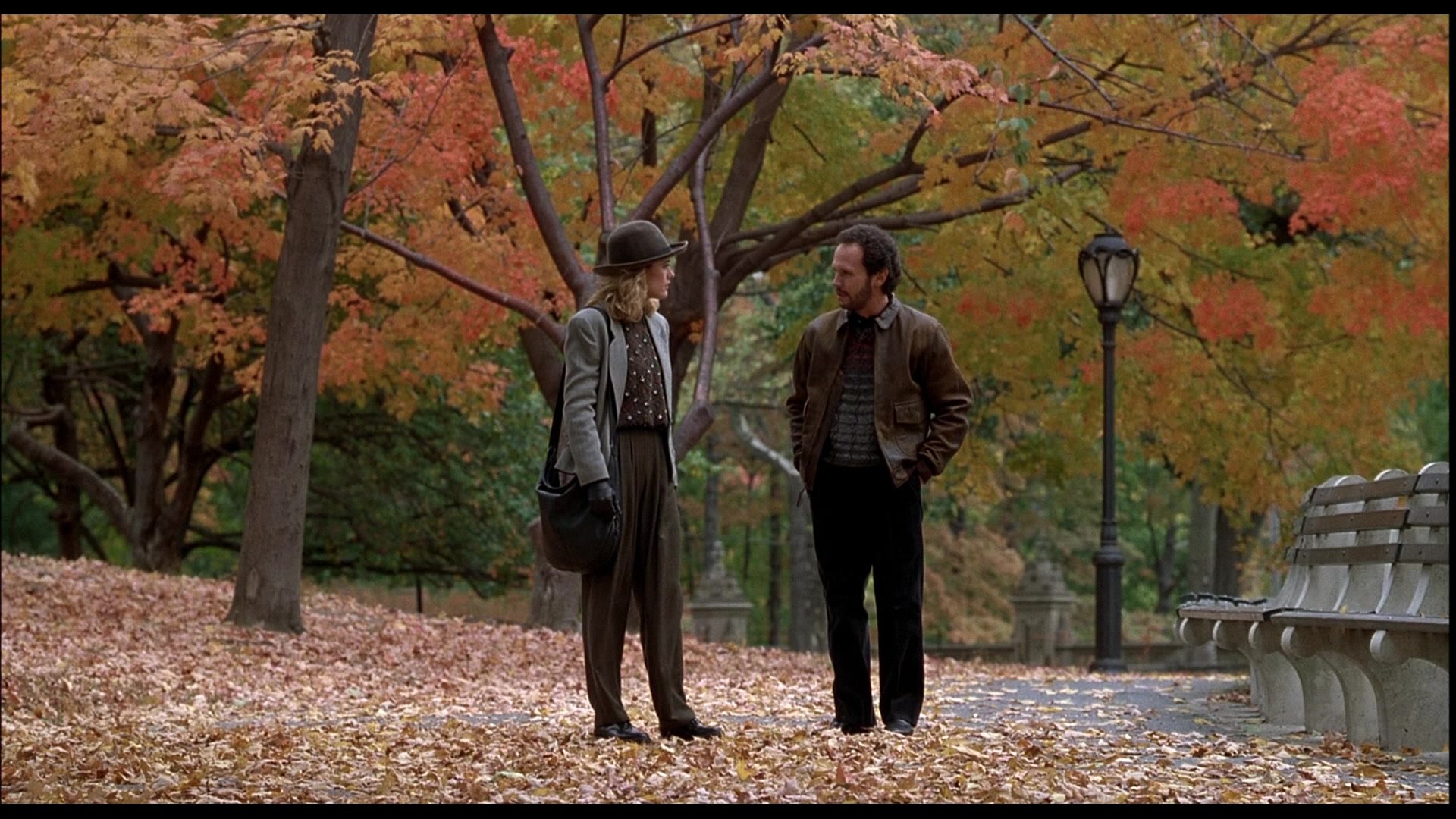
The summer after university proved to be an odd time for me. James and Daisy were taking a year off to travel and recover from the stress and dread that their studies inflicted on them, and I had sent off hundreds of applications to various film industry jobs, all of which proved to be unsuccessful, for reasons that still elude me. So, during my period of unforeseen unemployment, and between their trips abroad, the three of us decided to meet with the purpose of finally creating a short film. We pitched myriad ideas to each other, and the one that stuck was mine. A story of two siblings, set over the course of the one day they return to their hometown for a funeral. ‘When Harry Met Sally’ meets ‘The Meyerowitz Stories’ was my intention. I wanted to explore the relationship I have with my brother, as did James and Daisy with their siblings. Initially, I was using the character of the older sibling as a sort of self-insert, but as we continued writing and the more we put of each other into the script, I now see so much of myself in both characters. As with all writings inspired by one’s life, the more you work on it, the more it becomes fictionalised. The relationship between our two protagonists ultimately became an amalgamation of all our relationships with our siblings, which hopefully resulted in something quite universal and accessible.
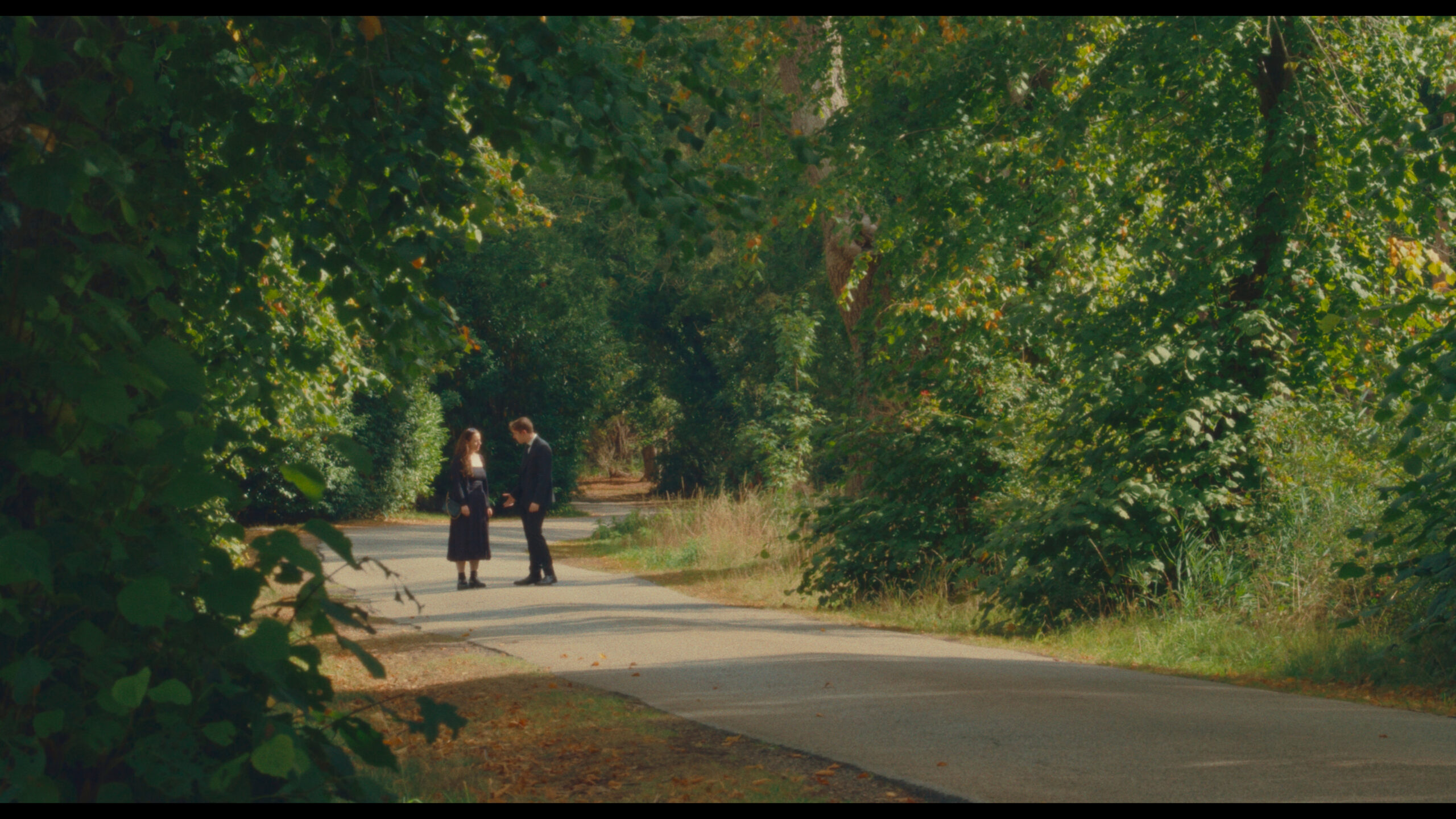
We’d try to routinely meet, often weekly, to chip away at more and more of the scenes. It was June the following year when we finally finished the script, by which time I had become employed as a cleaner at a local holiday park; we had worked on it intermittently for over six months. The feeling of finishing the piece distracted us from the nearing end of summer, which proved to be a necessary cause for worry, as we had set the film on the hottest day of the year. It was the beginning of August that forced us to consider starting production, given the deadline, something we were not ready for. To make all our lives easier, we decided to split production into two parts. We would shoot all exterior scenes, where we needed green leaves still on trees, in the first week of September, and the rest anytime after that. Coincidentally, this meant we would only be filming scenes with our two main actors, eliminating the need to cast side characters.
The closer the shooting dates got, the more I was full of dread. No matter how many times I checked the weather app, hoping it would miraculously change, it remained stating that it would rain all week, except Friday. Thank you, Friday. I suppose. It was at this time that I had to remind myself that production is and always will be a process of letting go, no matter how much you prepare. Letting go of any vision you had of how the film would turn out in your head. It may turn out to be better, it may turn out to be worse, but it will NOT turn out to be how you originally envisioned. It’s possibly my favourite thing about filmmaking. It’s what makes you feel like you are inventing, even after you’ve finished writing. The actors come in, and suddenly, the characters you pictured no longer exist. They bring something new to it that you never intended, something that lay beneath the lines all along. It is a constant state of detachment and improvisation. So, I forced myself to forget about the weather.
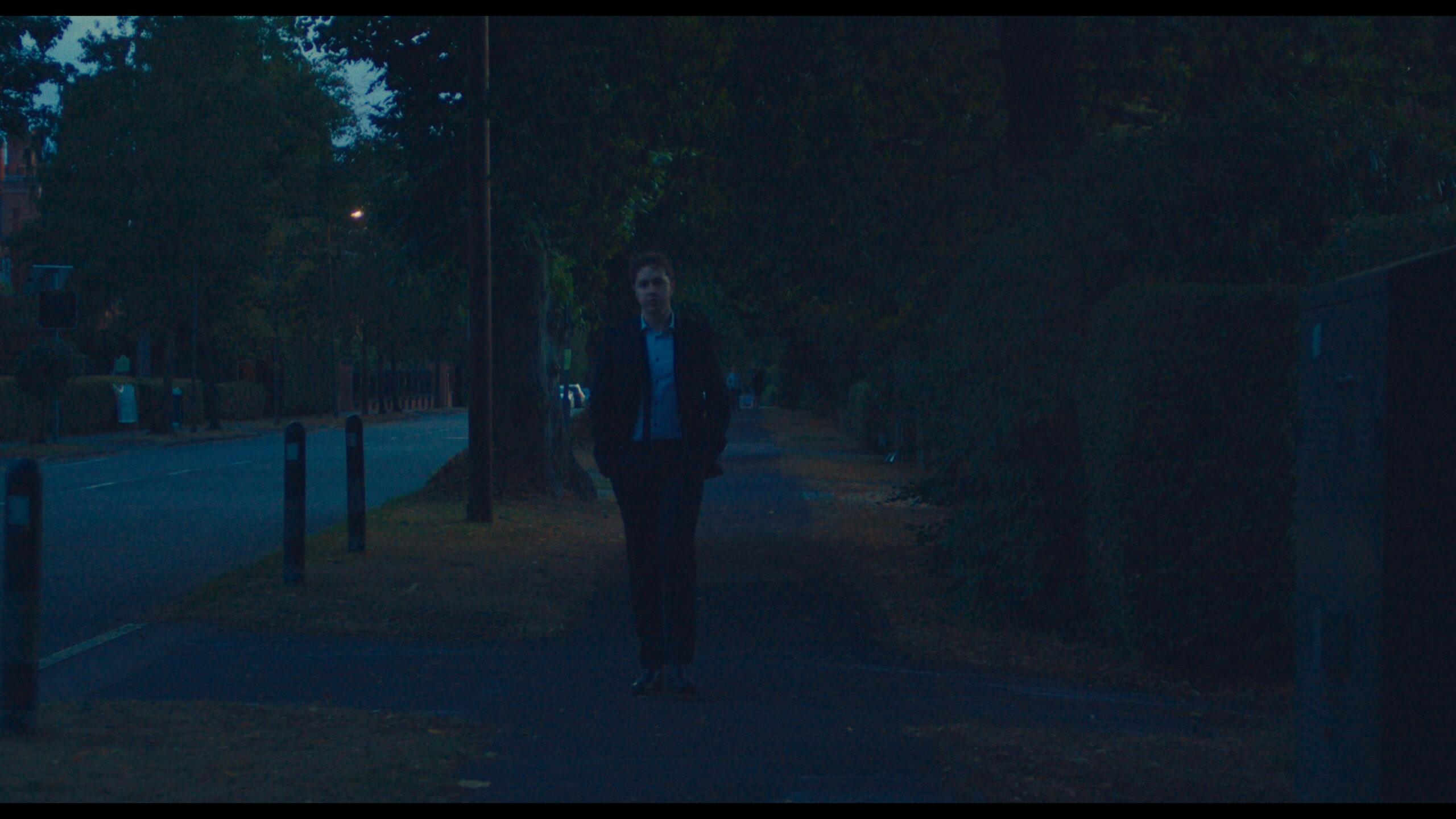
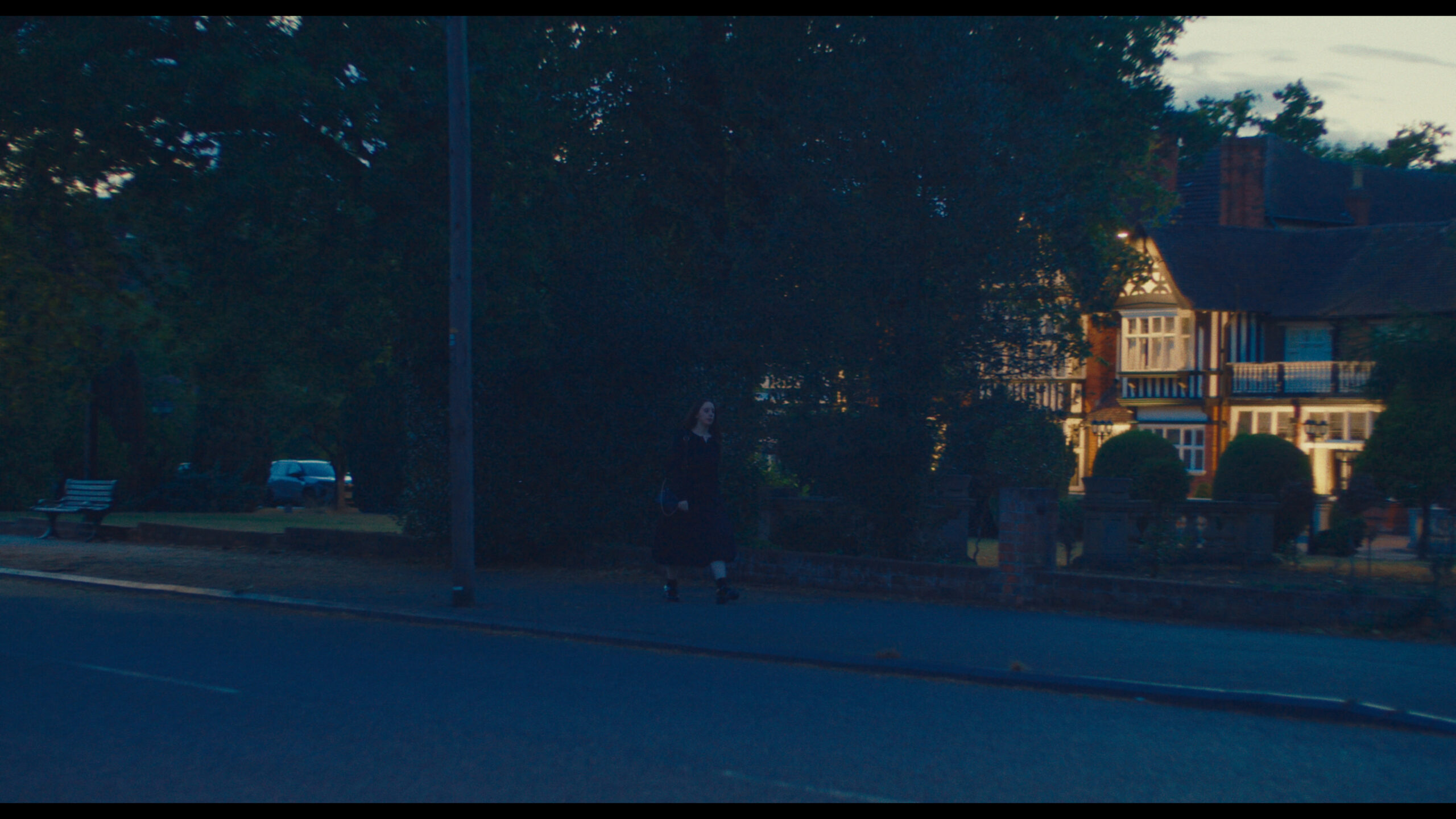
We rehearsed with the actors for most of the first day of production, locking down what the characters should be feeling so we are as prepared as possible for filming. Wasting time during production is the most frustrating, so I wanted to take every step possible to avoid it. Then, during blue hour, we shot the “post-argument walking home montage sequence”. I was really pleased with the footage we filmed. It was the perfect first day of production; it was short and allowed us the time to find our footing.
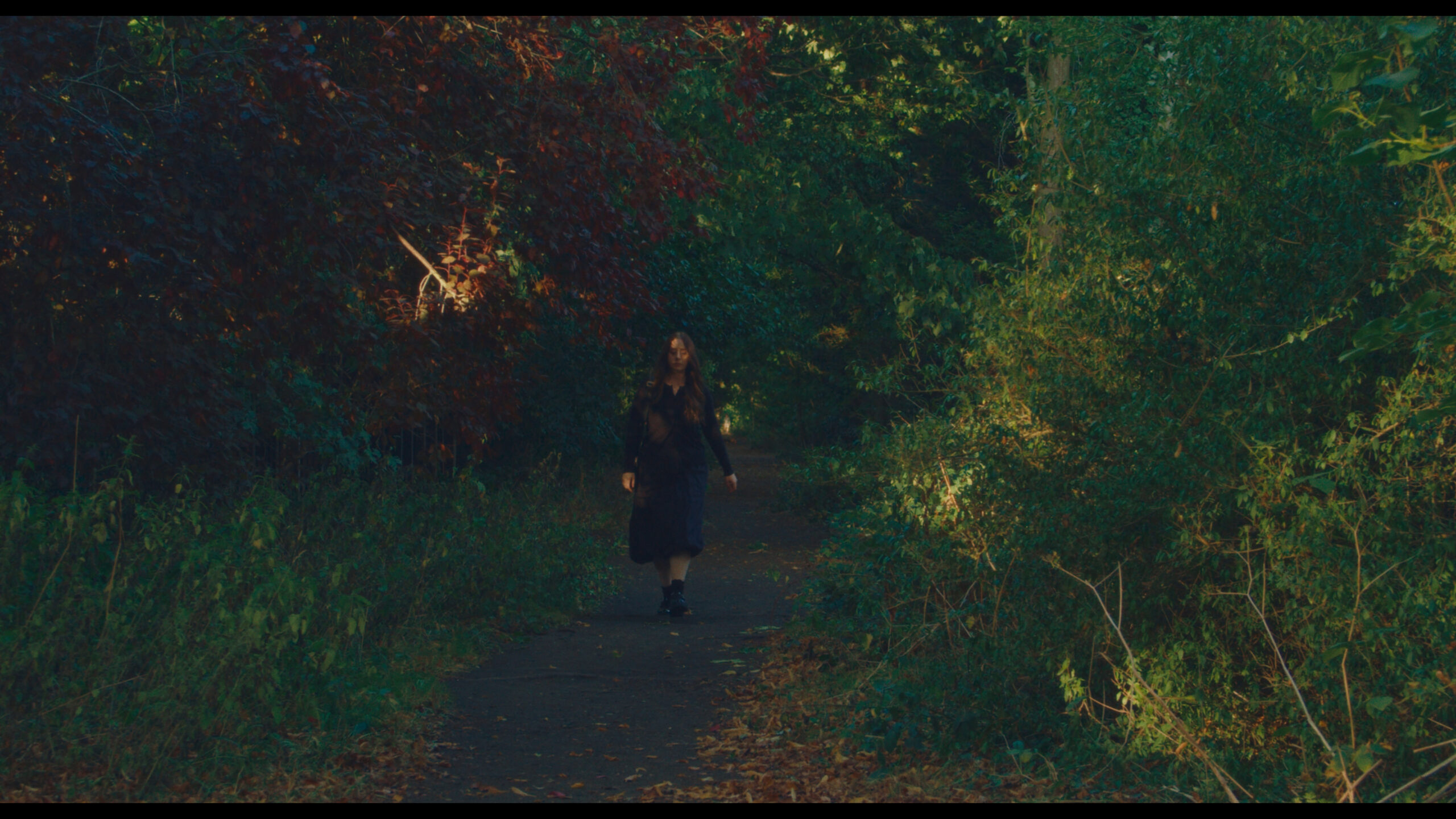
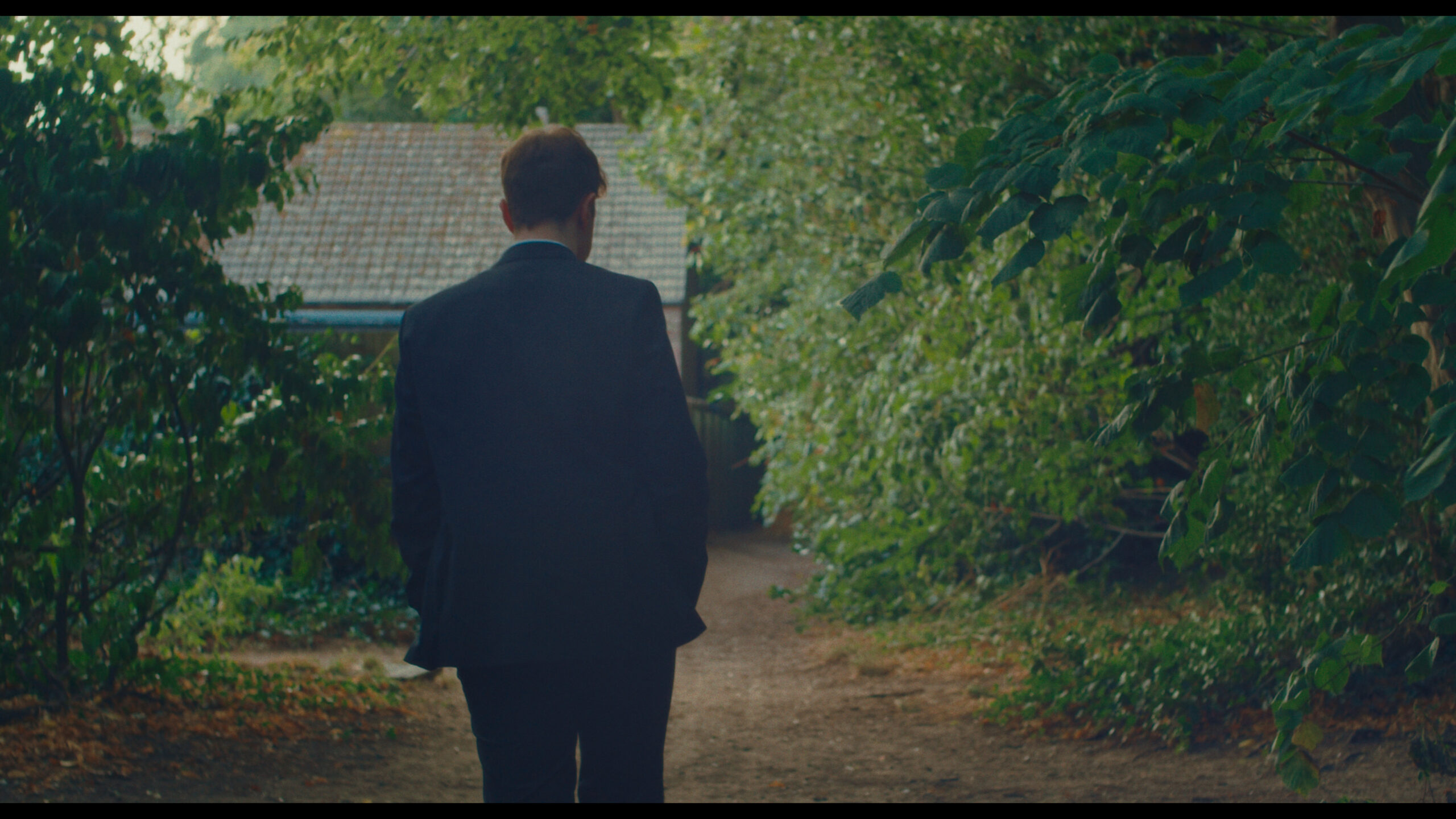
The next day, Tuesday, we were to shoot what we had anointed the “walk-and-talk” scene. I knew I wanted to shoot this in a way that was reminiscent of a shot from ‘When Harry Met Sally’; nice and wide, just letting the actors walk through and do their thing with very little camera involvement. The only problem was that we were all quite unqualified to deal with sound. Because the shot was so wide, we couldn’t use a boom mic, so we would have to use radio mics. I was concerned about this because in my final student short film, where I served as the sound recordist, we ultimately decided not to use any of the radio mic recordings, as they were full of rustling clothes and lacked the quality of the boom mic recordings. But, to my surprise, with this production, the radio mics sounded great, allowing us to film it as I’d imagined.
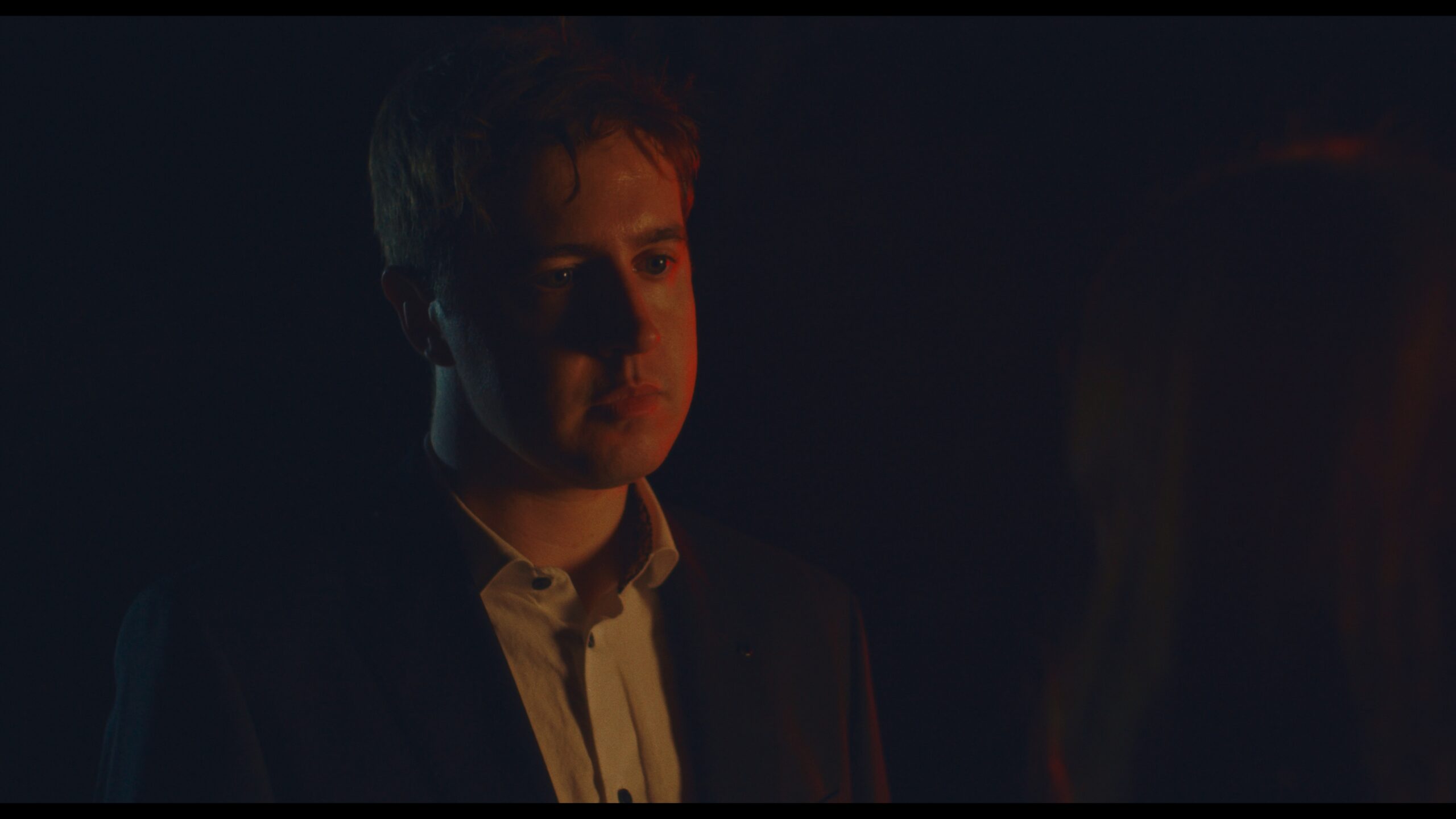
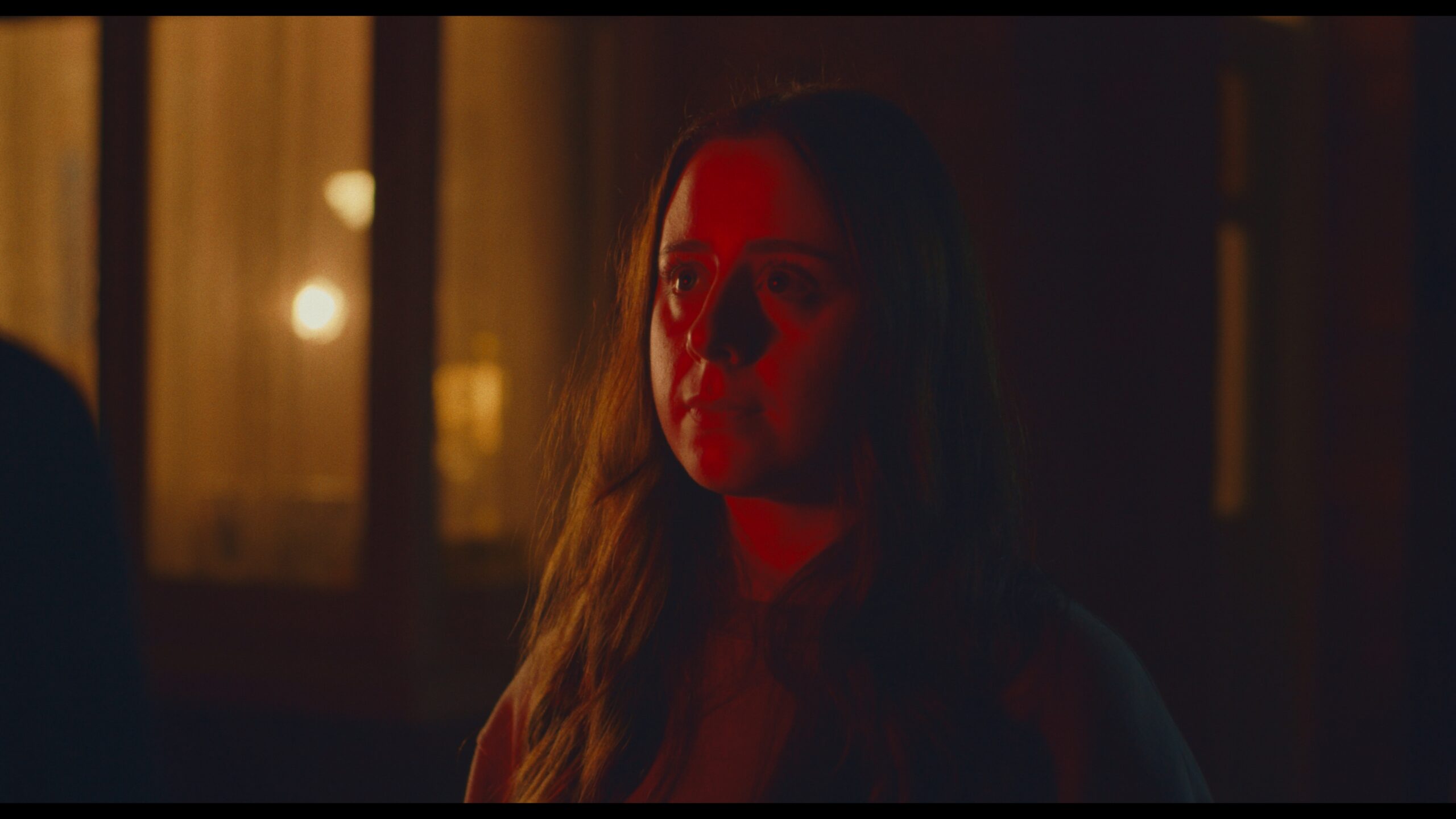
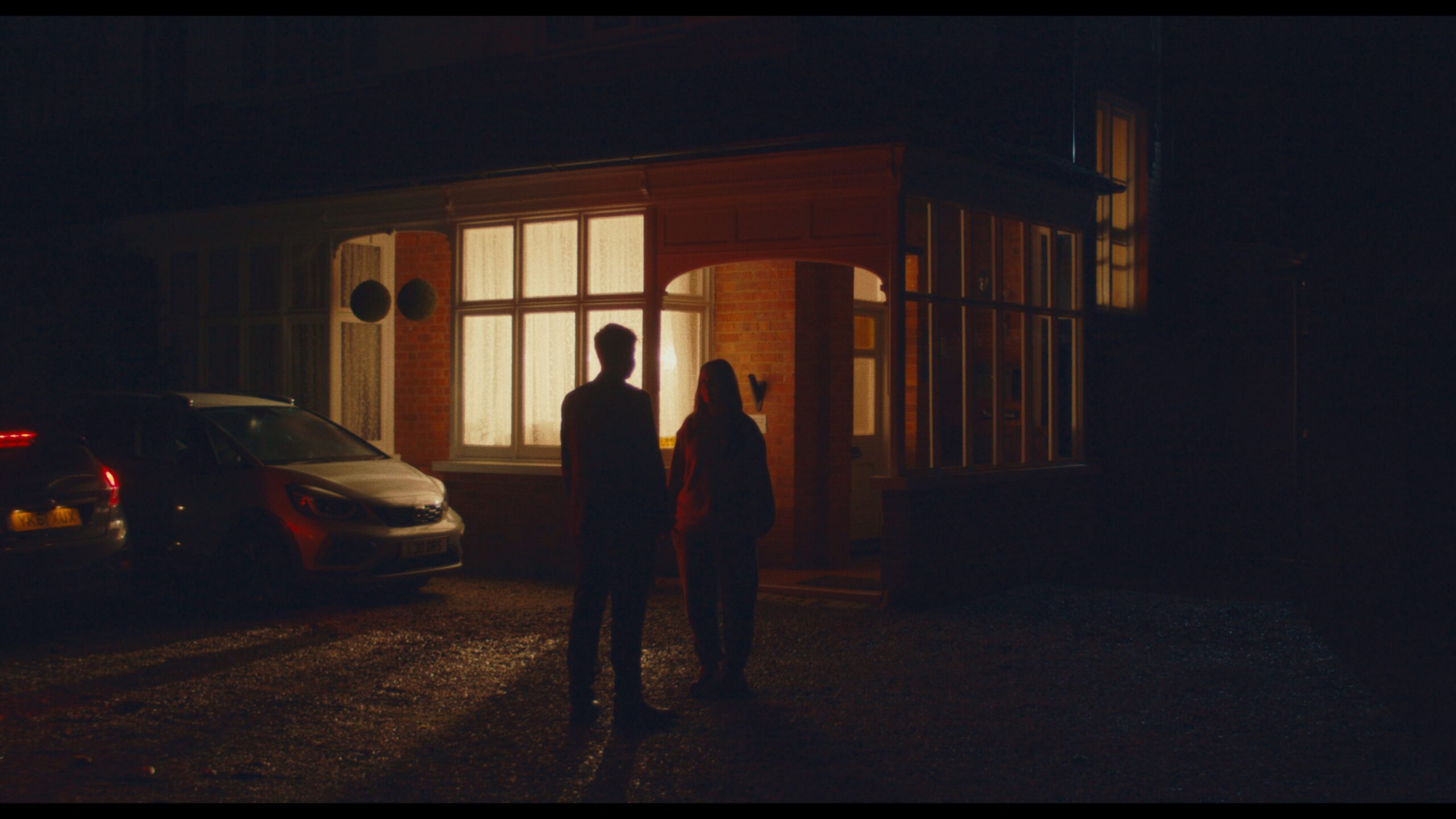
The rest of production flew by, and I was shocked by how easy it was. All the student films I worked on seemed to exist in a constant state of panic and impatience; those feelings were not present for a moment on our set. Not even when we were waiting for the rain to pass for an hour on Wednesday. Our night shoot was also on Wednesday (the “driveway goodbye” scene). Because we were shooting outdoors using natural daylight the whole shoot, this was the only time I was able to light a scene. A lighting set-up, I may add, that I had had in my head since I conceived the scene. I pictured it so vividly; the tungsten light coming from the front room window, the red light coming from the brake lights of the car, and the moonlight. I felt like a giddy child finally getting to compose it in reality.
Another moment on Wednesday that stood out was one of those moments of creation that only happen when you are on set, standing in the space. It was a simple scene, the character gets up from her bed and walks to the door, hearing her brother enter off-screen. I had hoped to do it in one shot, but the room’s layout made it feel awkward and difficult to light, so I didn’t think it would work. Then, I had the idea to shoot the first half of the shot through the mirrored wardrobe door opposite the bed, before panning up to the door where the character would land, resulting in a much more interesting and dynamic shot, without any unnecessary cuts.
Out of all of our filming days, I was most apprehensive about Thursday. Thursday was the day we’d scheduled to shoot what was essentially the climax of the film: the “argument” scene. It was the scene with the most dialogue. Not only that, but it was the most emotionally tense scene, so there was a lot at stake. But, to all of our surprise, we finished before lunch. The actors played it to perfection every take, and there were only three set-ups, so of course, we got it done quickly. Now that we had the second half of the day free, we decided to shoot what we had scheduled for Friday: the “park bench” scene. Then, after dinner, we filmed some pick-ups for the “post-argument walking home montage sequence,” and wrapped. Suddenly, we had shot half of the film we had been working on for almost a year. Just like that, a day early. I couldn’t have asked for a better shoot.
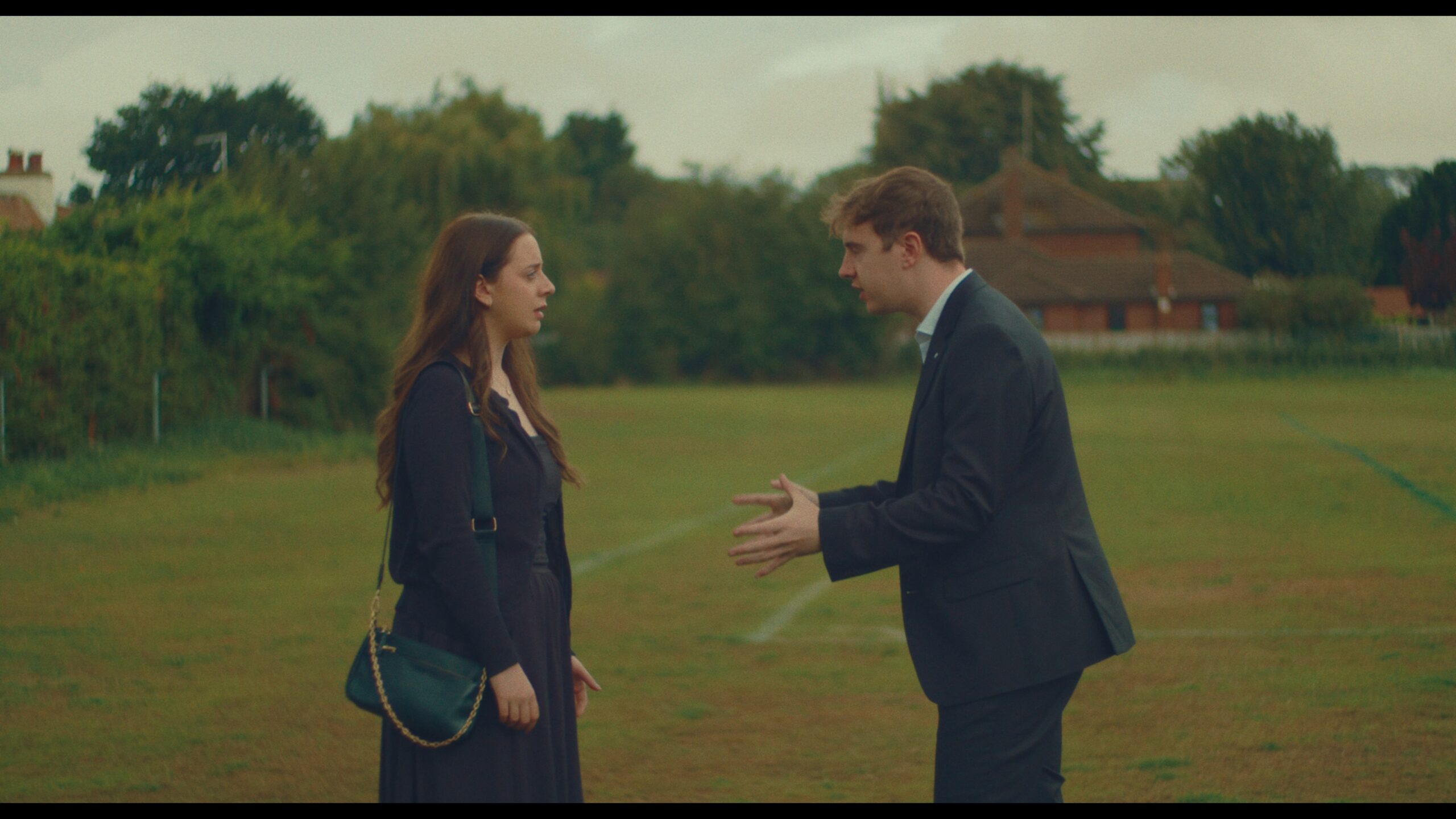
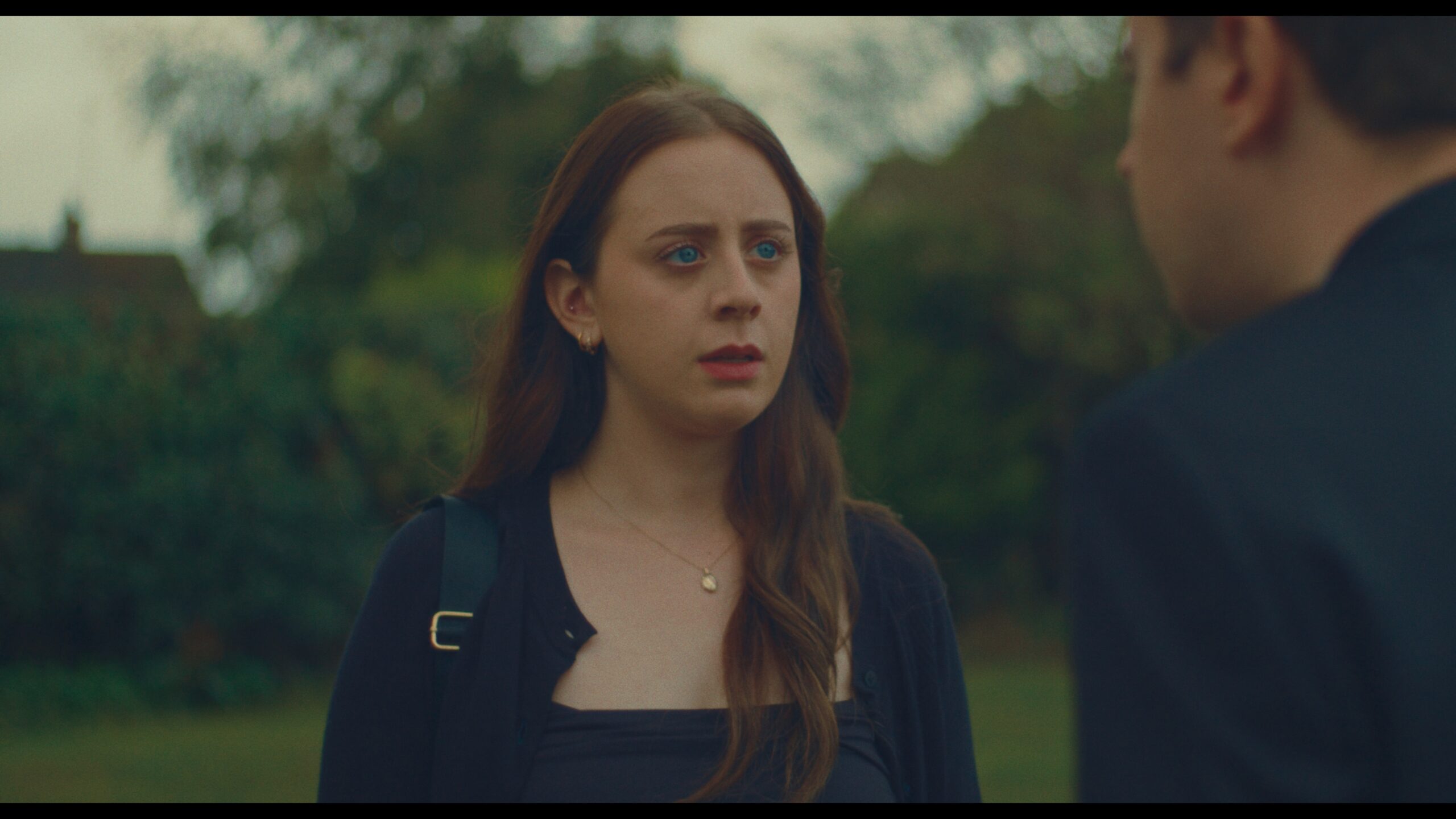
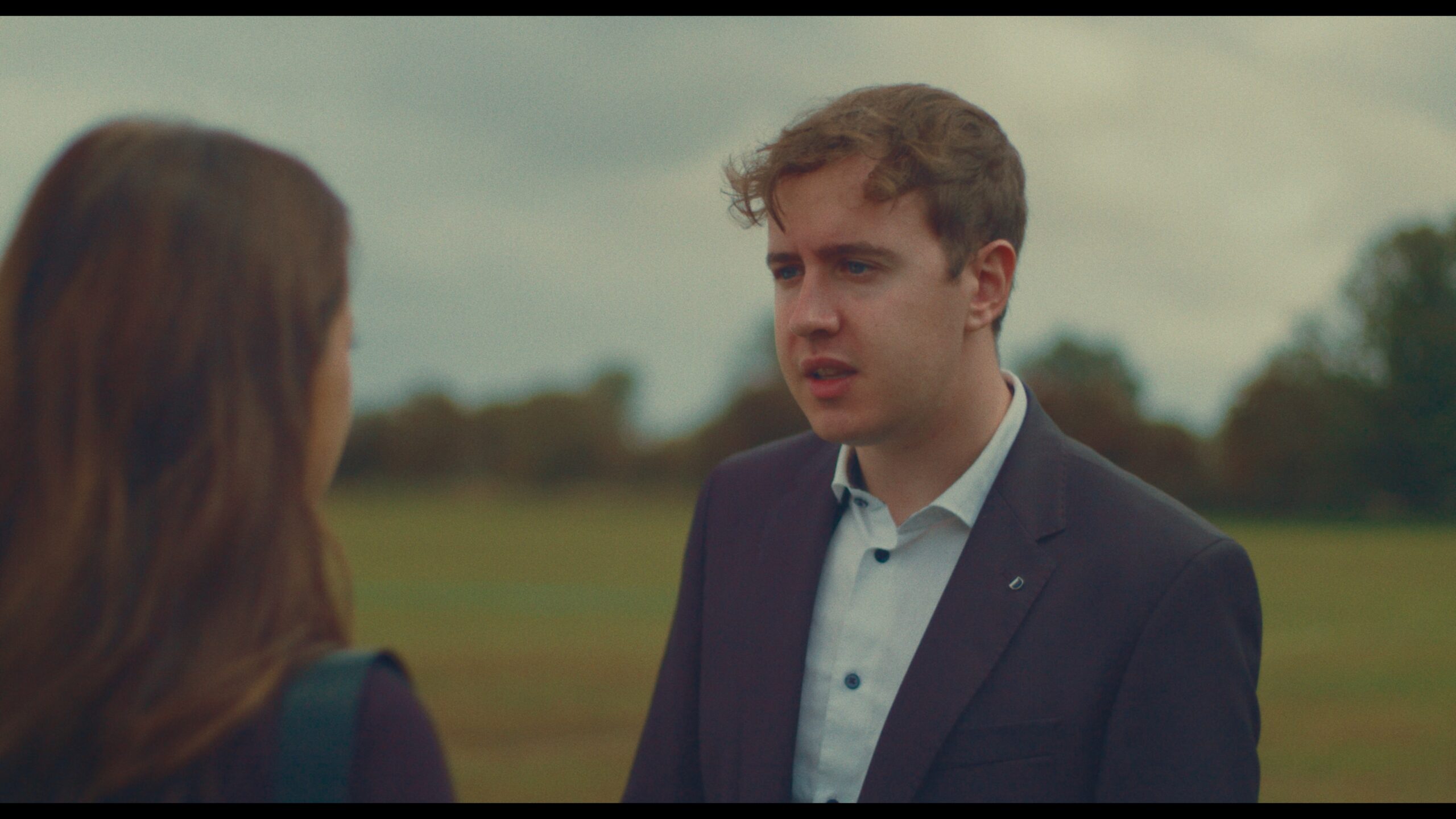
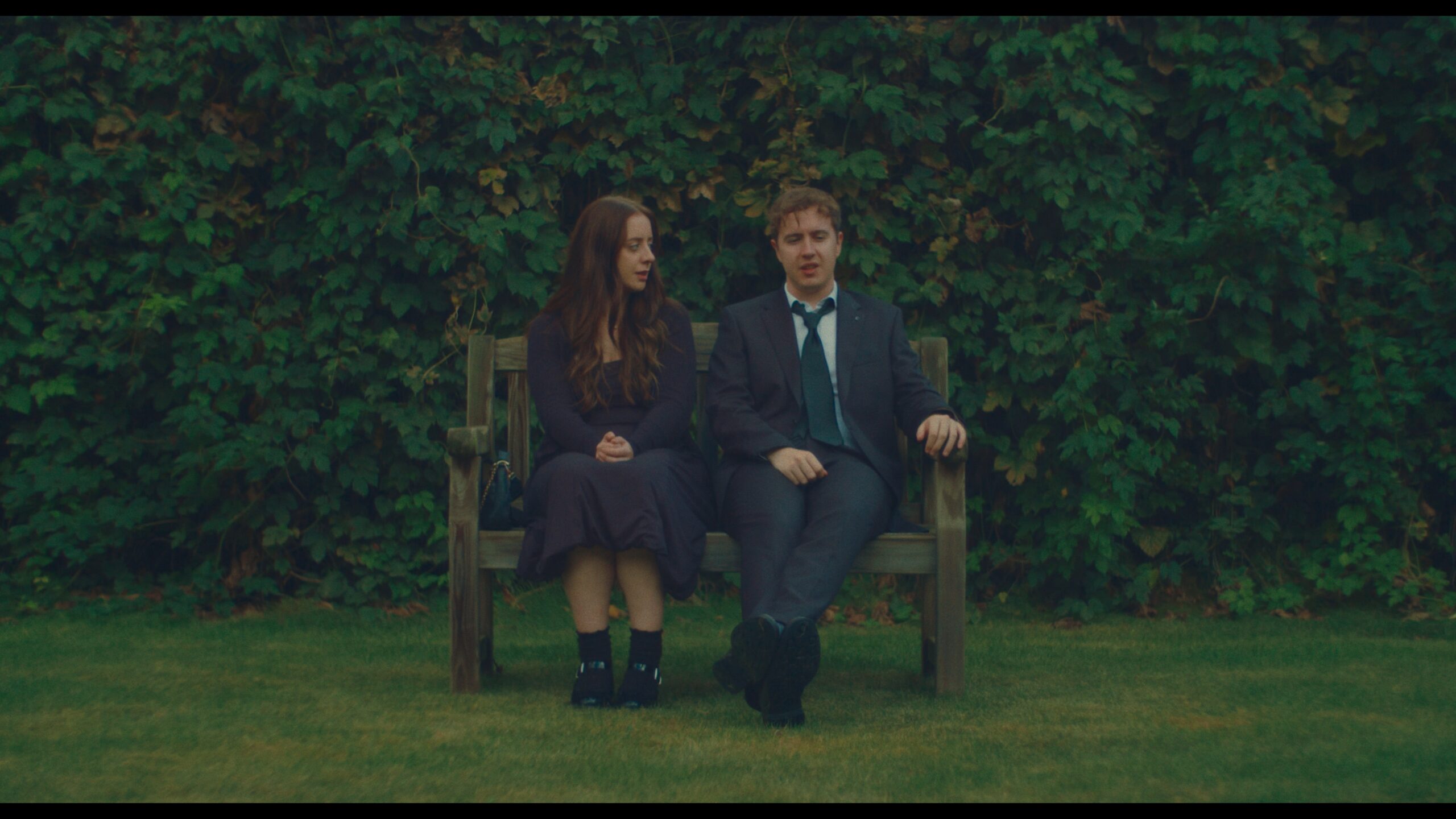
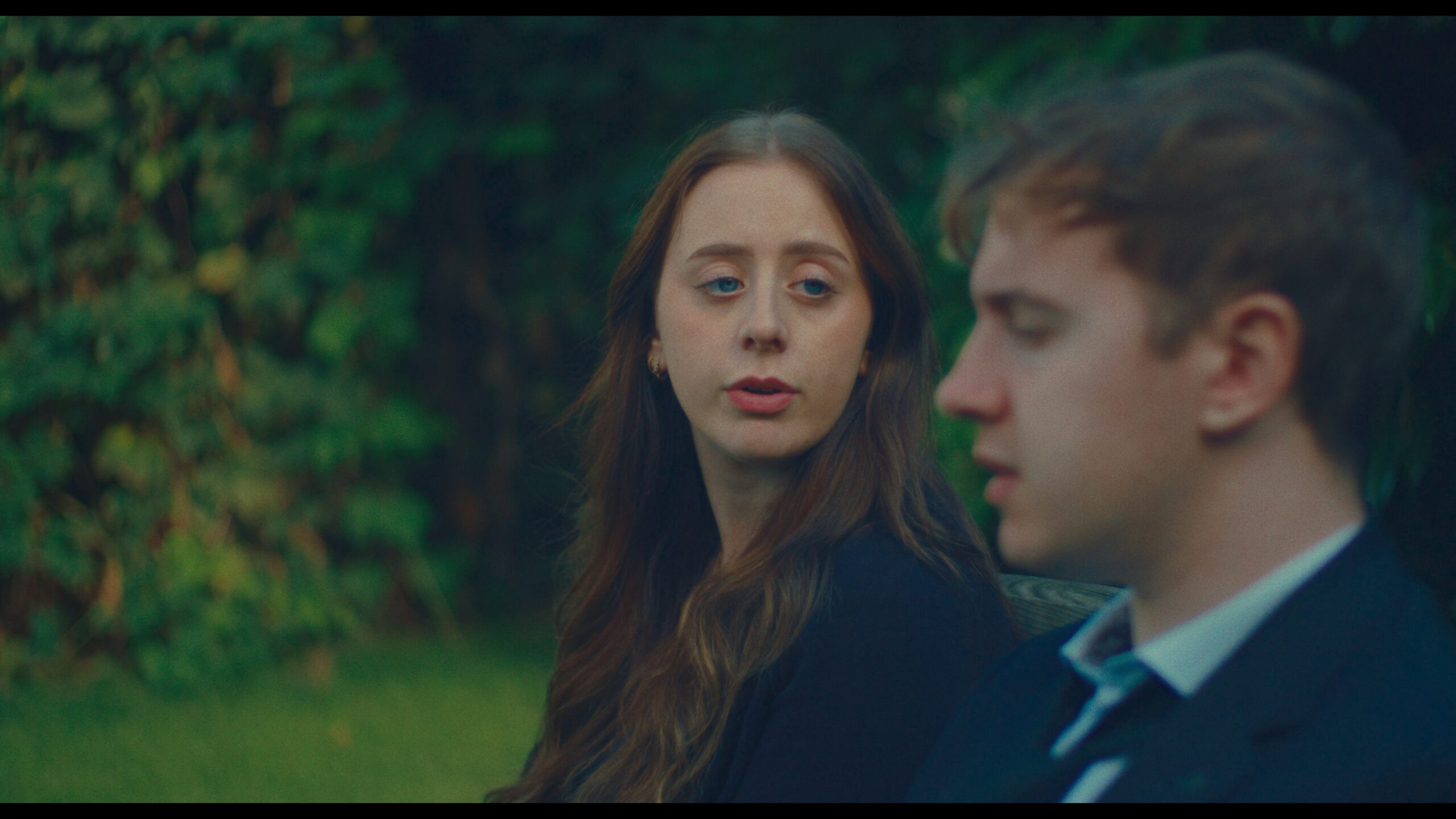
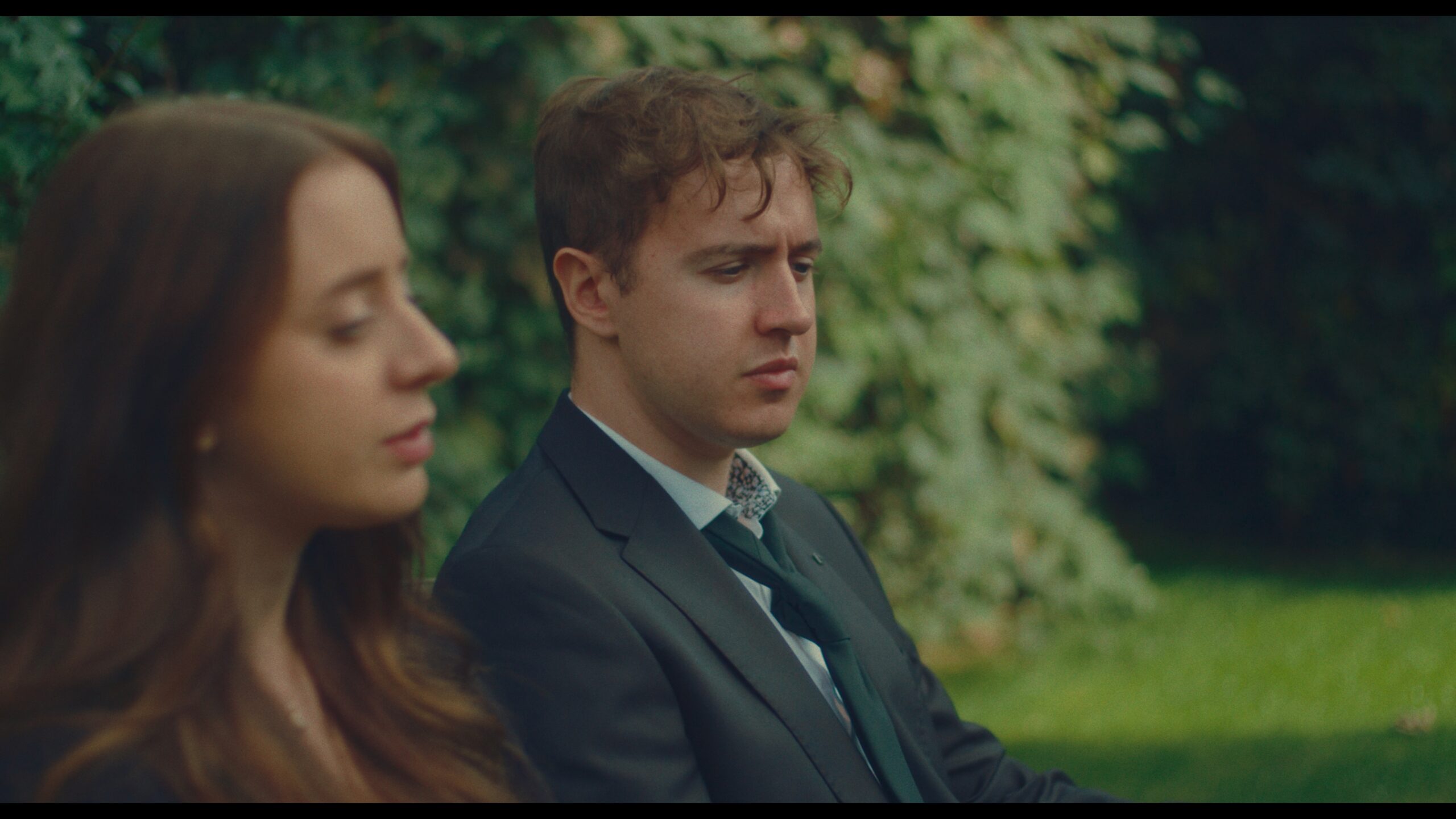
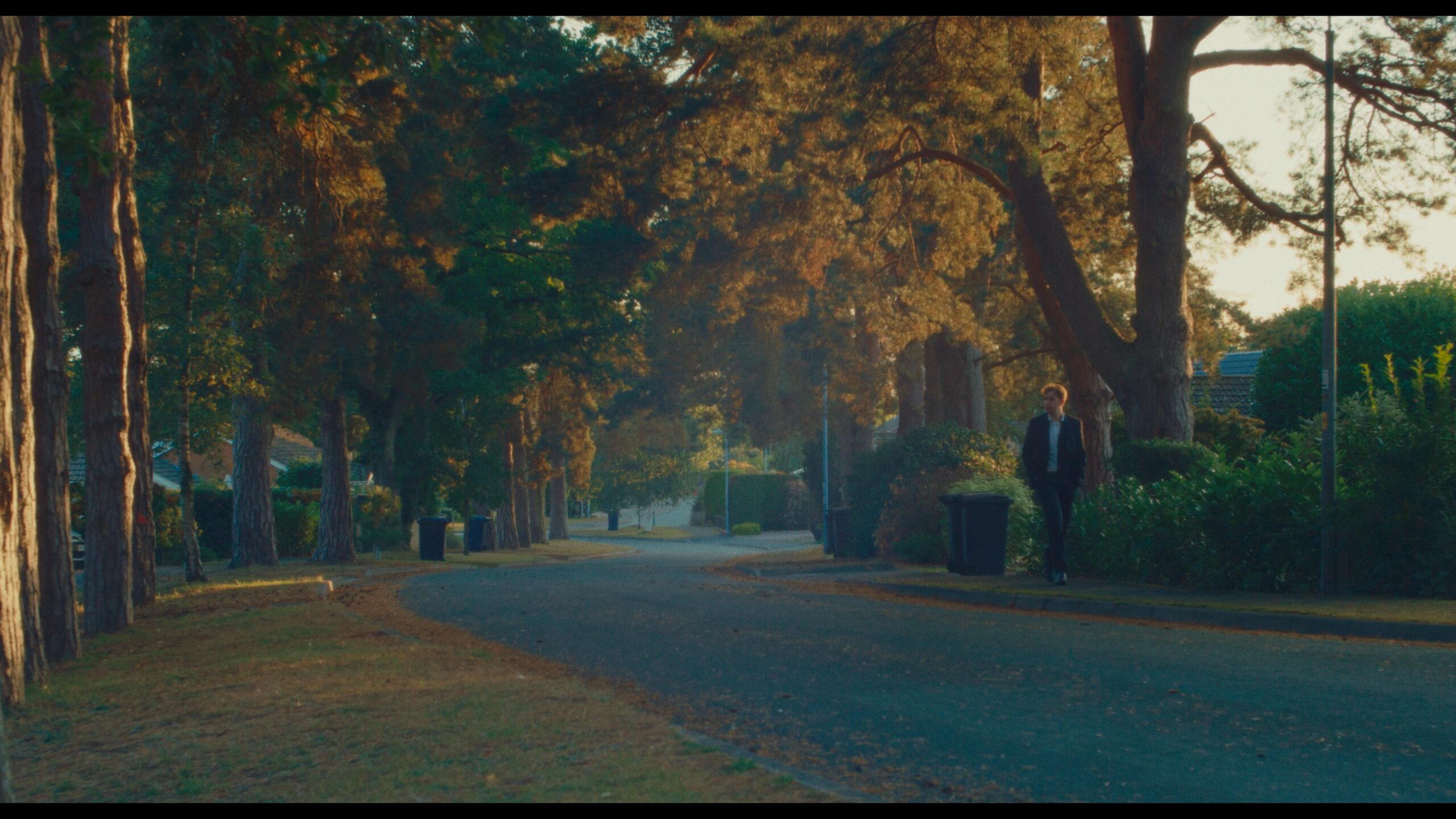
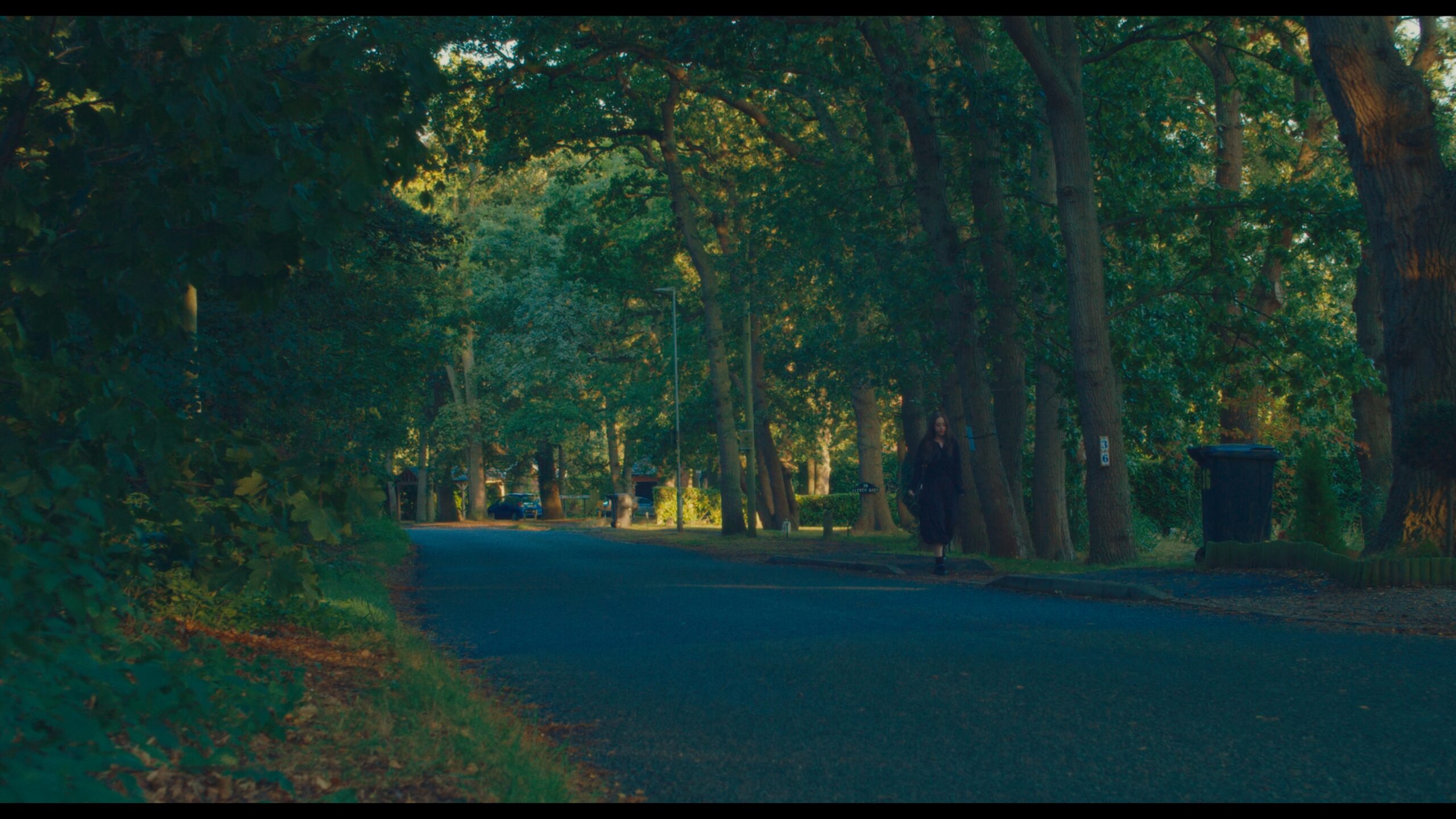
I find myself reflecting on the footage I shot and feeling so proud. I didn’t often get the chance to take on the role of director of photography, which is my favourite position in filmmaking, on many student short films. So, having that opportunity, in a crew made up of my favourite people, rather than just those from my university course, was somewhat of a revelatory experience. It was nice knowing that we all shared a genuine passion for creating something meaningful together.